Finding the right block of land is one of the most important steps in building your dream home. It’s not just about location or price — the land you choose will directly impact what you can build, how much it will cost, and how smoothly the entire process unfolds. Many buyers get caught up in appearance or affordability, only to realise later that their chosen block doesn’t suit their plans.
When browsing land for sale, it’s essential to think beyond the surface. Factors like zoning, slope, soil quality, and access to services all play a role in determining whether a block is truly suitable.
Taking the time to evaluate these elements early on can save you from costly surprises and compromises later.
Understand Your Build Goals First
Before you even start comparing blocks, you need a clear idea of what you want to build. Are you planning a single-storey home, a double-storey design, or something more customised? The size, style, and layout of your future home will influence the type of land you should be looking for.
For example, a narrow block may limit your design options, while a steep block could require specialised construction techniques. If you’re unsure, it’s worth speaking with a builder or designer early in the process. They can help you understand what kind of block will best support your vision.
Having a well-defined plan also makes it easier to filter through options and avoid wasting time on unsuitable properties.
Evaluate the Land’s Physical Characteristics
Not all land is created equal. The physical features of a block can greatly affect construction costs and feasibility. Slope is one of the most important factors — flat blocks are generally easier and cheaper to build on, while sloping land may require excavation, retaining walls, or specialised foundations.
Soil quality is another critical consideration. Reactive soils can lead to movement over time, requiring more robust (and expensive) building solutions. A soil test can provide valuable insights and should be considered before finalising your decision.
Access to the site also matters. Narrow or difficult access points can complicate construction and increase costs. When reviewing land for sale, always consider how these physical aspects align with your budget and design.
Consider Location and Lifestyle
While the technical aspects are crucial, lifestyle factors shouldn’t be overlooked. Think about how the location will support your day-to-day life both now and in the future. Proximity to schools, transport, shops, and work can all influence your decision.
Orientation is another key factor. A block that allows for good natural light and ventilation can improve energy efficiency and overall comfort. In Australia, north-facing living areas are often preferred for maximising sunlight.
It’s also worth considering the surrounding neighbourhood. Future developments, noise levels, and overall character can impact both your lifestyle and the long-term value of your property.
Look Into Services and Infrastructure
Access to essential services is something many buyers assume will be straightforward — but that’s not always the case. Water, electricity, sewerage, and internet connections should all be confirmed before purchase.
If the block is in a more rural or developing area, you may need to factor in additional costs for connecting these services. In some cases, you might need to rely on alternatives like septic systems or rainwater tanks.
Checking what’s already available versus what needs to be installed will give you a clearer picture of the total cost involved. This is especially important when comparing different options for land for sale, as the initial price may not reflect the full expense.
Budget Beyond the Purchase Price
It’s easy to focus on the purchase price alone, but the true cost of a block goes far beyond that. Site preparation, council fees, utility connections, and potential design adjustments can all add up quickly.
Setting a realistic budget that includes these additional expenses will help you avoid financial stress later on. It also allows you to compare blocks more accurately, rather than being swayed by a lower upfront price.
Working with professionals such as builders, surveyors, or financial advisors can provide a more detailed estimate of the total costs involved.
Seek Professional Advice
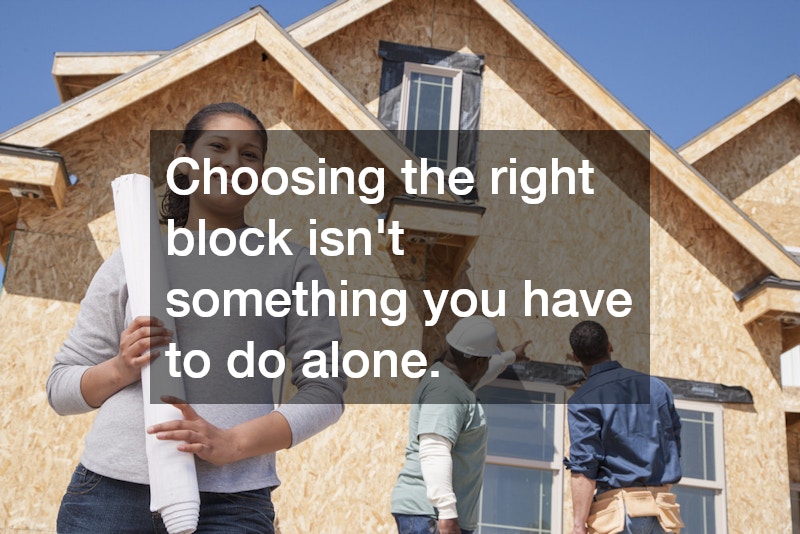
Choosing the right block isn’t something you have to do alone. Engaging with professionals can make a significant difference in your decision-making process. Builders, architects, and planners can all offer valuable insights into whether a block is suitable for your intended design.
A conveyancer or solicitor can also help review contracts and identify any legal issues or restrictions. Their expertise ensures that you fully understand what you’re committing to before signing anything.
Taking advantage of professional advice may involve an upfront cost, but it can save you far more in the long run by helping you avoid costly mistakes.
Choosing the right block of land is about more than just finding something that looks good or fits your budget. It requires careful consideration of your build plans, local regulations, physical characteristics, and long-term lifestyle needs. By taking a thoughtful and informed approach, you can ensure that your chosen block supports your vision rather than limiting it.
With the right preparation and guidance, you’ll be well-positioned to make a confident decision and move forward with your build. A well-chosen block sets the foundation for everything that follows, making it one of the most important investments in your home-building journey.