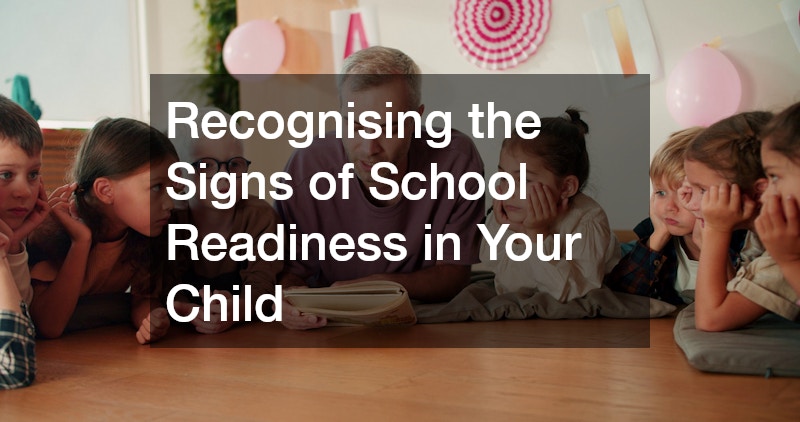
The transition from the carefree days of toddlerhood to the structured environment of “big school” is one of the most significant milestones in a child’s life. For many parents, this period is fraught with questions. We often wonder if our children are academically prepared, but in the Australian context, school readiness is viewed through a much broader lens than just the ability to write one’s name or count to twenty. It is a holistic combination of emotional maturity, social skills, physical coordination and communication abilities.
Understanding when a child is truly ready to start their formal schooling journey involves looking at the “whole child.” While the age of entry is governed by state-based cut-off dates, chronological age is often the least reliable indicator of success.
Instead, parents and educators look for a specific set of developmental markers that suggest a child can navigate the classroom with confidence and independence.
Emotional Maturity and Social Competence
One of the primary indicators of school readiness is a child’s ability to manage their emotions and interact positively with their peers. In a busy classroom, a child needs to be able to follow instructions, wait their turn and cope with the minor frustrations that occur during a typical day.
Socially, a ready child shows an interest in playing with others rather than just playing alongside them. They should be beginning to understand the concept of empathy and be able to share resources without significant distress. This emotional foundation is often built within a high-quality early learning centre, where children are encouraged to negotiate social conflicts and develop resilience in a supportive environment. If a child can separate from their primary caregiver without prolonged or intense distress, it is a strong sign that they possess the emotional security required for the school gate.
Physical Development and Self-Care Skills
Physical readiness is frequently overlooked, yet it is essential for a smooth school day. This includes both gross motor skills, such as running and jumping, and fine motor skills, which are necessary for holding a pencil or using scissors. A child who can sit relatively still for a story or a short group activity is showing the physical core strength and attention span required for the classroom.
Independence in self-care is another vital pillar. Before starting school, children should ideally be able to manage their own belongings, use the toilet independently and open their lunchboxes or drink bottles without help. Teachers in a Foundation or Prep year manage large groups of students, so a child who can put on their own jumper or tie their shoes is at a distinct advantage. Many families find that the routines established at an early learning centre help to automate these self-care habits, giving the child a sense of agency and pride in their own “big kid” abilities.
Language Skills and Cognitive Curiosity
While we move away from strict academic testing for five-year-olds, communication remains the bedrock of learning. School readiness involves being able to express needs clearly and understand two-part instructions (such as “please put your hat away and sit on the rug”). A child doesn’t need to be a fluent reader to be ready for school, but they should show an interest in books, recognise some letters and be able to follow the narrative of a simple story.
Cognitive readiness is less about what a child knows and more about how they learn. A child who asks “why” shows curiosity about the world and is willing to persist with a challenging puzzle is demonstrating the “learning dispositions” that Australian curricula value. These children are not just passive recipients of information; they are active participants in their own education. Educators at a local early learning centre often provide transition-to-school reports that highlight these cognitive strengths, giving parents a clearer picture of their child’s intellectual engagement.
Making the Final Decision
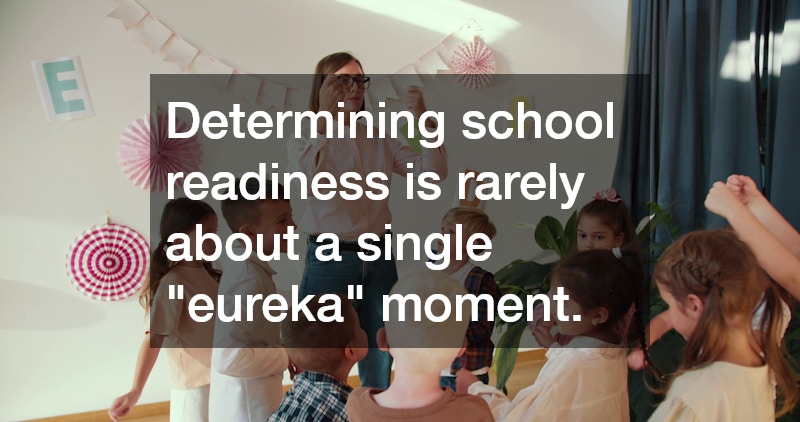
Determining school readiness is rarely about a single “eureka” moment. Instead, it is the culmination of various small signals that suggest your child is ready to thrive, not just survive, in a school setting. If you are unsure, the best course of action is to consult with professionals who see your child in a group dynamic — specifically, their current educators and future school transition coordinators.
Remember that every child follows a unique developmental trajectory. In some cases, “the gift of a year” (delaying entry by 12 months) can provide a child with the extra confidence they need to become a leader in the playground rather than someone who struggles to keep up. By focusing on emotional resilience, physical independence and a love for discovery, you can ensure that when your child finally walks through those school gates, they are doing so with a smile and a sense of genuine readiness.