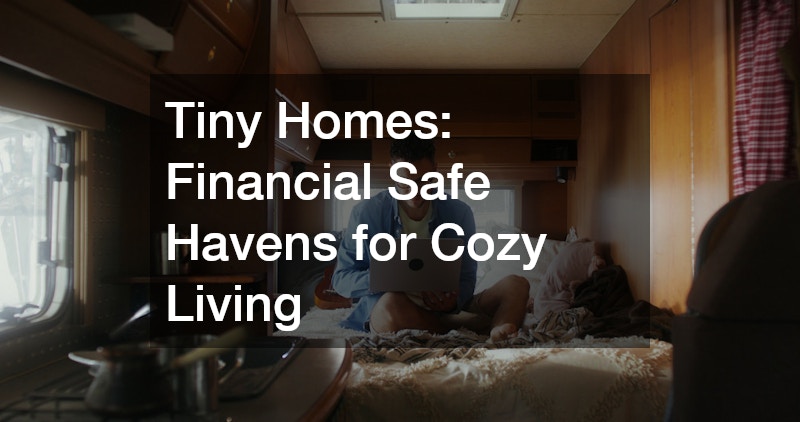
In an era where the cost of living seems to climb higher every single day, many Australians are looking for a way out of the relentless mortgage cycle. The traditional dream of a four-bedroom house on a quarter-acre block is becoming less attainable and, for many, less desirable. Enter the world of tiny homes, a movement that isn’t just about downsizing your physical footprint but about upscaling your financial freedom. By embracing a more minimalist lifestyle, you’re not just saving space; you’re creating a genuine financial safe haven.
The True Cost of Traditional Housing
We’ve been conditioned to believe that bigger is always better, but the numbers often tell a different story. Between massive home loans, soaring council rates and the never-ending cost of maintenance, a large house can quickly become a financial burden rather than an asset.
When you pivot towards tiny homes, you’re effectively cutting those ties. The initial investment is a fraction of a standard property price, which means you’re either debt-free much sooner or avoiding a loan altogether.
Beyond the purchase price, the ongoing savings are substantial:
- Reduced utility bills: Heating and cooling 20 square metres is significantly cheaper than a massive family home.
- Lower maintenance costs: There’s simply less to break, paint or repair.
- Decluttered finances: A smaller space naturally limits impulse buying since there’s nowhere to put extra materialistic possessions.
Why Minimalist Living Equals Maximum Savings
It’s not just about the bricks and mortar — or in this case, the timber and steel. Choosing to live in tiny homes forces a shift in mindset. When you’ve got limited square footage, every purchase is intentional. You won’t find yourself wandering through furniture warehouses looking for a rug to fill a spare room you never use. This intentionality bleeds into every part of your life, from your grocery shop to your wardrobe choices.
This lifestyle allows you to redirect your hard-earned cash toward things that actually matter. Instead of servicing a 30-year interest-heavy loan, you could be:
- Investing in a diverse share portfolio.
- Boosting your superannuation for a more comfortable retirement.
- Travelling more frequently without the guilt of a massive mortgage back home.
- Building an emergency fund that actually provides peace of mind.
Environmental Impact & Long-term Value
Sustainability and financial health go hand in hand more often than you’d think. Tiny houses are often built with eco-friendly materials and designed to be highly energy-efficient. Many owners opt for off-grid setups, incorporating solar panels and rainwater harvesting systems. While there’s an upfront cost to these technologies, they eventually pay for themselves, leaving you with virtually zero monthly utility expenses.
Moreover, the flexibility of these structures shouldn’t be overlooked. Many are built on trailers, meaning if your job moves or you simply fancy a change of scenery, you can take your home with you. This mobility prevents the massive “hidden” costs of selling and buying real estate, such as stamp duty, real estate agent fees and legal costs. It’s a level of agility that traditional homeowners simply don’t have.
Navigating the Challenges
It’s not all sunshine and rainbows, of course. You’ve got to be realistic about the transition. Dealing with local council regulations and finding the right patch of land can be a bit of a headache. However, as the housing crisis continues to bite, more local governments across Australia are becoming open to alternative living arrangements. The key is to do your research early and ensure you’ve got a solid plan for where your home’ll sit.
Living small also means you’ve got to be highly organised. You’ll need to get creative with storage and be prepared to let go of items that don’t serve a purpose. If you can handle the initial shock of the cull, you’ll likely find it incredibly liberating. Most people find they don’t miss the clutter once it’s gone; they only miss the time they used to spend cleaning and managing it.
A Future Built on Freedom
Ultimately, a tiny house represents a choice to prioritise time and experiences over square footage and debt. It’s a radical act of self-care in a world that constantly asks us to consume more. By reducing your overheads, you’re buying back your time. You might find you don’t need to work that high-stress corporate job anymore, or perhaps you can finally afford to start that small business you’ve always dreamed of.
The financial safety provided by this lifestyle isn’t just about the money in your bank account; it’s about the reduced stress and the increased options you have every day. When your housing costs are low, the world opens up. You aren’t just surviving the modern economy; you’re thriving within it on your own terms.